

Table of Contents
In the journey of sexual wellness and exploration, "squirting" is often surrounded by a lot of mystique. It is viewed as a milestone of extreme pleasure and a deep understanding of a partner's body. However, due to exaggerations in popular culture and adult films, many people harbor unrealistic expectations or misconceptions about it.
This guide aims to break down the myths, offering a detailed, scientific, safe, and caring step-by-step approach. Whether you are a beginner or a partner looking to elevate your techniques, this guide provides the anatomical knowledge, preparation steps, and practical methods you need.
Picked for this guide
Three G-spot vibrators built for the exact angle this guide describes.
 VEELIPS $48.99 View |
 VALIS $52.99 View |
 COCO $32.99 View |
Or browse all 28 g spot vibrators in stock today.
1. Busting the Myths: What is Squirting?

First and foremost, we need to clarify: squirting is not urinary incontinence, nor is it merely the release of fluids. It is the expulsion of a clear, odorless, or slightly sweet fluid from the urethra when a woman is highly aroused and receives intense sexual stimulation (usually to the G-spot).
- The Source of the Fluid: This fluid is primarily produced by the Skene's glands (often referred to as the female prostate).
- Not Every Woman Experiences It: Forcing it will only create pressure. The most important thing is to enjoy the process of exploration, rather than solely fixating on the "goal."
2. The Foundation of Success: Preparation and Mindset
Just like any deep physical exploration, adequate preparation is the key to success. Squirting requires the woman to be deeply relaxed and entirely unguarded.
Physical Preparation
- Lay Down a Waterproof Pad or Towel: The volume of fluid varies from person to person. Placing a large towel or a waterproof sheet underneath completely removes the anxiety of "ruining the sheets," allowing for profound psychological relaxation.
- Empty the Bladder: It is highly recommended to use the restroom before starting. Because G-spot stimulation often mimics a strong urge to urinate, having an empty bladder helps her differentiate the sensations and reduces unnecessary tension.
- Abundant High-Quality Lube: A premium water-based lubricant is a must. Continuous friction requires lubrication to protect delicate tissues and enhance pleasure.
- Trim Your Nails: If you are using your fingers, ensure your nails are trimmed short and filed completely smooth to avoid scratching the delicate vaginal walls.
Mental Preparation
"The largest sex organ is your brain." — Building trust, maintaining constant communication, and eliminating performance anxiety are essential steps on the path to squirting.
Use gentle words to encourage her. Let her know that "releasing fluid is completely normal and beautiful," helping her let go of any potential shame or inhibition.
3. Finding the Magic Button: Locating the G-Spot

Squirting is almost always linked to deep stimulation of the G-spot. So, how do you find it accurately?
- Ample Foreplay: Do not rush straight for the goal. Allow her body to become highly aroused through kissing, touching, and external clitoral stimulation. When a woman is aroused, the G-spot engorges and swells, making it much easier to locate.
- Insertion and Exploration: Apply generous lube. With your palm facing upward, gently insert your index and middle fingers (or just one finger) into the vagina about 2 to 3 inches (5-7 cm).
- Feel the Texture: Press gently upward towards the anterior wall (the side closest to her belly button). You will feel a textured area that differs from the smooth walls surrounding it—it often feels somewhat ridged like a walnut or slightly spongy. That is the G-spot.
4. Step-by-Step: Practical Techniques
Once you have located the G-spot, your technique and rhythm will dictate the experience. Keep these core methods in mind:
The "Come Hither" Motion
This is the classic technique for G-spot stimulation. Keep your fingers slightly curved inside the vagina, making a "come here" gesture. Use the pads of your fingers to rhythmically press and stroke upwards against the G-spot. Note: It should be a stroking and pressing motion, not a rapid in-and-out piston movement.
The Blended Orgasm
Very few women can reach the peak through internal stimulation alone. While stimulating the G-spot internally, use your other hand (or a vibrating toy) to stimulate the clitoris externally. This "dual-action" internal and external stimulation is the most effective way to trigger squirting.
Building Rhythm and Pressure
- Start Slow: Begin with gentle, slow movements. Gradually increase your speed and frequency in sync with her breathing and reactions.
- Maintain Consistent Pressure: When she signals that she is close to climax, maintain your current rhythm and pressure. Do not suddenly stop or change your technique!
- Embrace the "Urge to Pee": As she approaches climax, she might suddenly feel like she needs to pee and may try to push you away. This is when you need to gently reassure her: "It's okay, let go, it's fine if you pee." Encourage her to push through that feeling.
5. Elevating the Experience: Using Toys
If your fingers get tired, or if you want to provide more intense, sustained stimulation, sex toys are excellent companions:
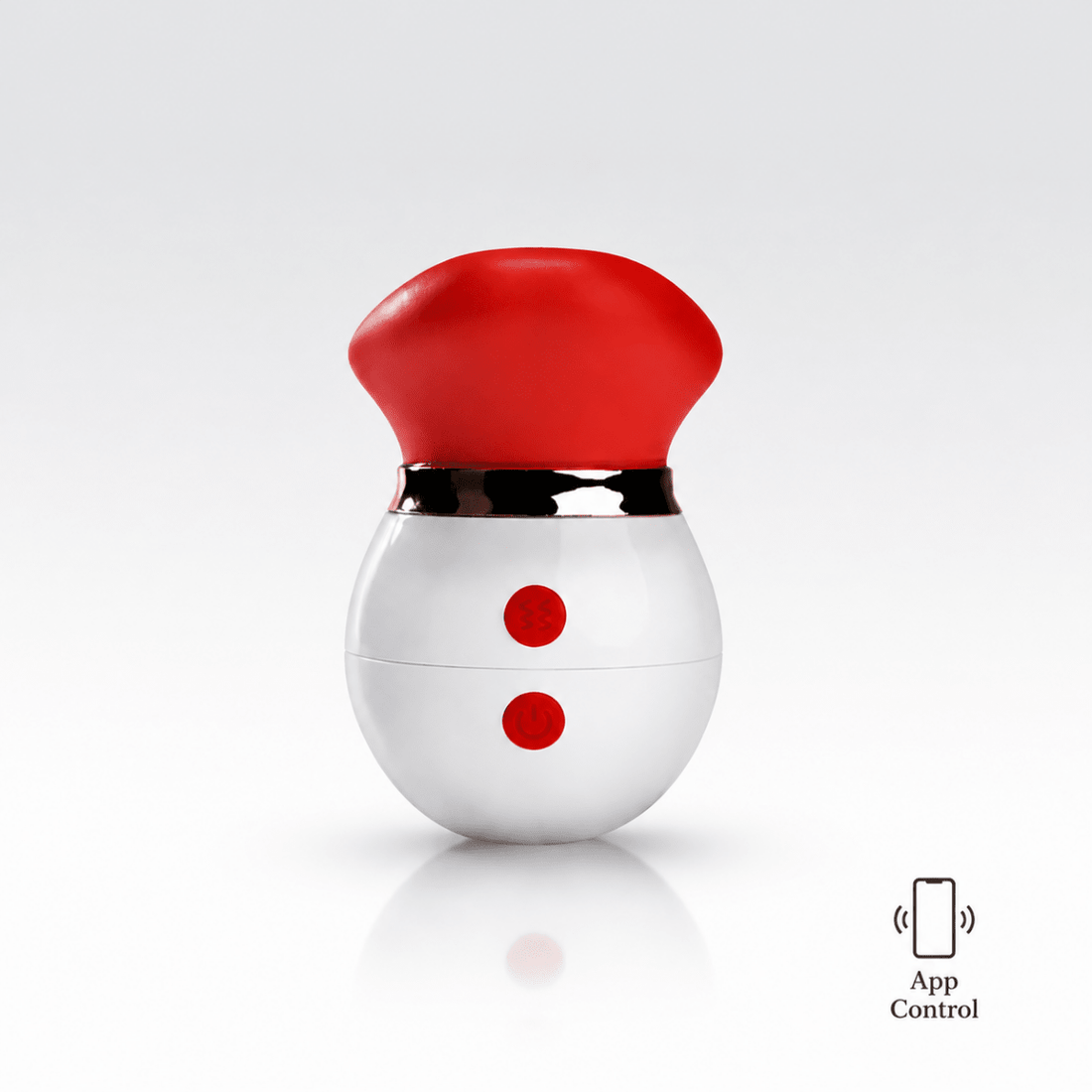
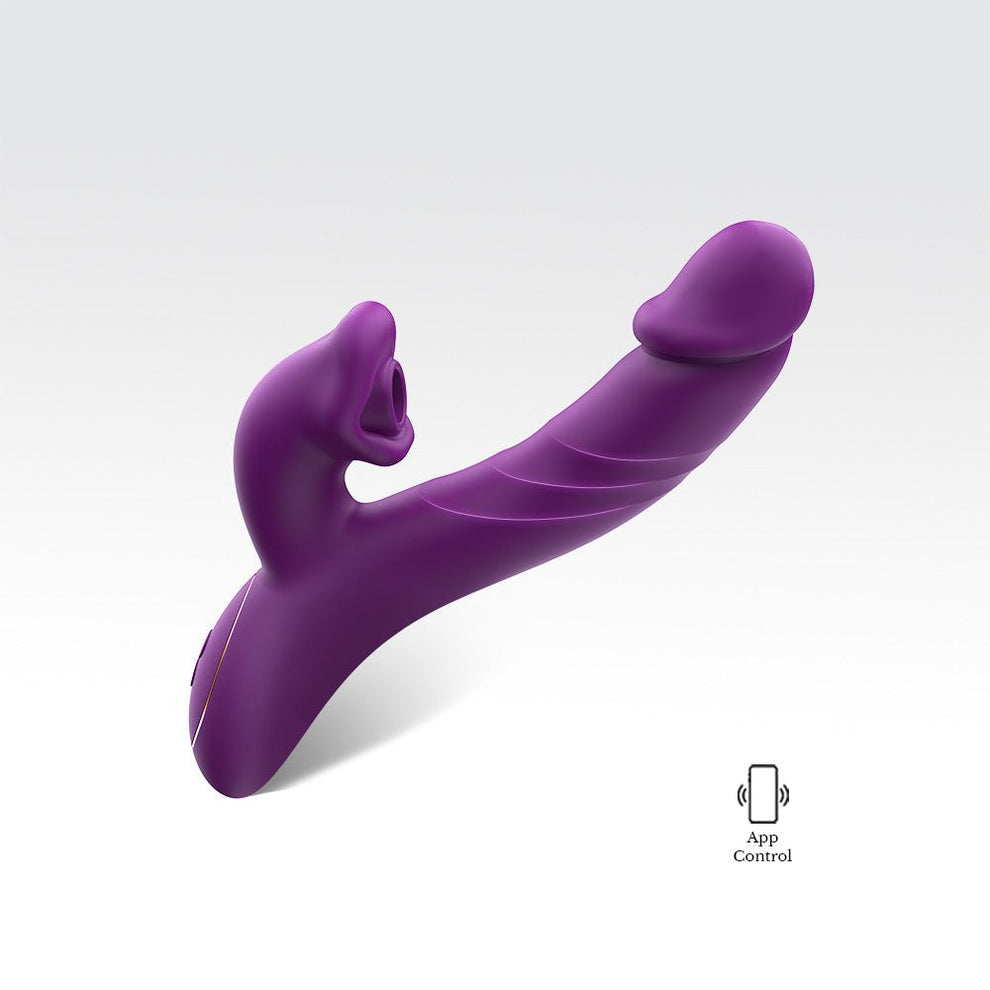
- G-Spot Vibrators: Vibrators with a curved head are designed to precisely target the G-spot and provide steady, powerful vibrations.
- Magic Wands: A "heavy-duty" tool for external clitoral stimulation that can rapidly push arousal to its absolute peak.
6. Don't Forget to "Pull Out" (The Scooping Motion)
In the context of squirting, "pulling out" doesn't mean leaving the game—it refers to the specific withdrawal technique that maximizes stimulation.
- The "Come Hither" Motion. If you are using your fingers, the most effective move is often described as the "come hither" gesture. You insert your fingers (palm up), hook them upward, and pull back slightly against the front wall of the vagina.
- Glide, Don't Jab. You aren't trying to go deep; you are trying to move upwards. The goal is to "scoop" her from the inside.
- Rhythmic Withdrawal. The sensation is often strongest not when you push in, but when you drag or glide along the swollen G-spot tissue. This rhythmic pressure against the urethra and Skene's glands is what triggers the expulsion of fluid.
- The Mental Release. Finally, the "pull out" concept applies mentally. She needs to "pull out" of her head and let go of control. Squirting requires a massive mental surrender. If she feels the urge to urinate, she must be encouraged to push it out rather than hold it in. That urge is the signal that the Skene's glands are full and ready to release.
The Journey is Better Than the Destination
The pursuit of squirting is ultimately a beautiful journey for partners to build deeper trust and explore sensitive erogenous zones together. If it doesn't happen today, it is by no means a failure—you still enjoyed an incredibly pleasurable and intimate sexual experience. Grab your towels, lube, and patience, and enjoy a wonderful night of exploration!
Squirting has long been viewed as the hallmark of female orgasm, creating invisible pressure for many women and their partners. In reality, it is a normal physiological phenomenon experienced by some, and is not necessarily linked to achieving a 'real' orgasm. However, with training, the right mindset, and precise techniques, it is a potential many can unlock.
If you’ve ever wondered if you are doing it right, or why some partners squirt while others don’t, you aren’t alone. Join us now to learn how!


